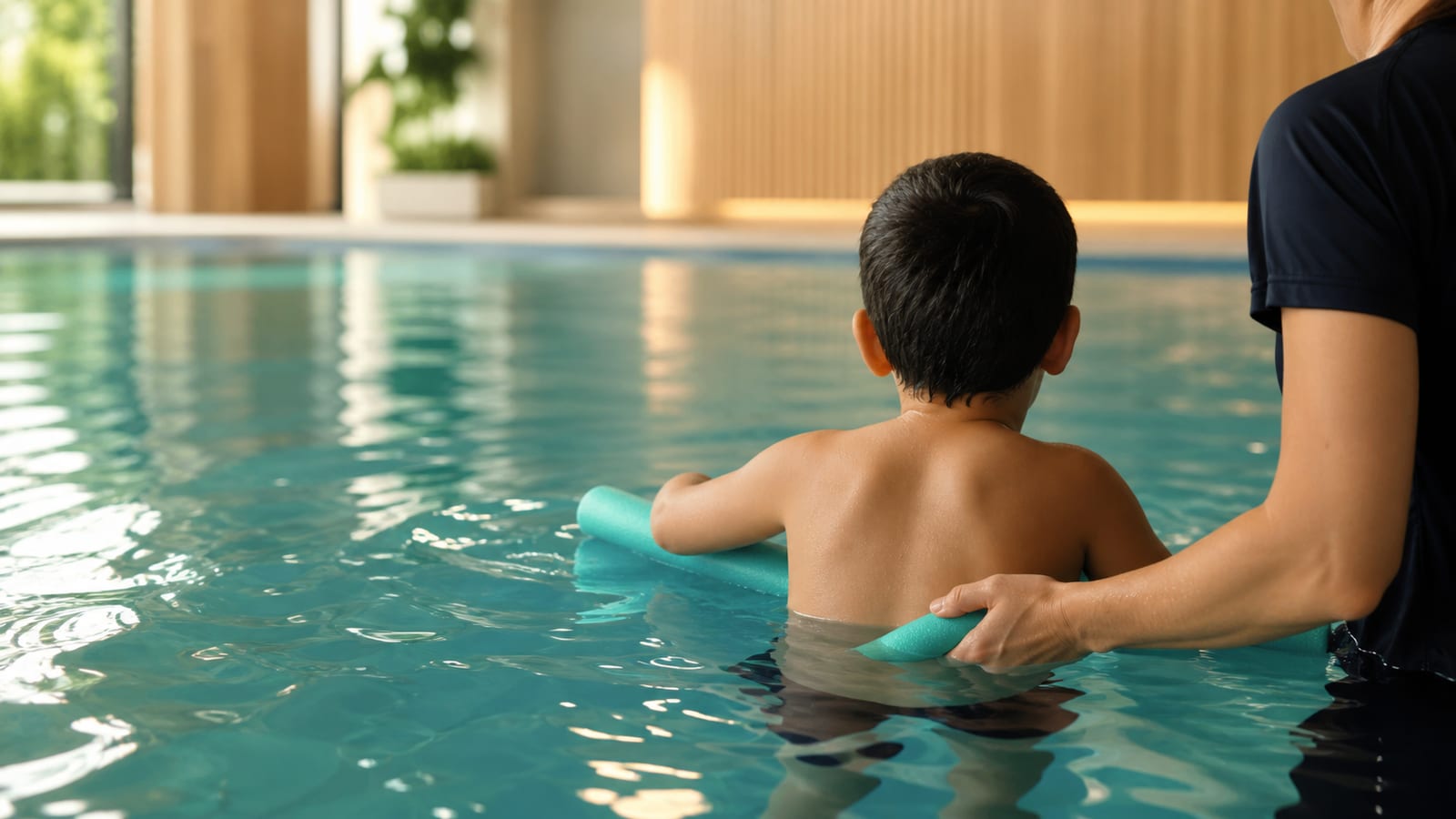
Therapeutic swimming for children with special needs is not magic and it is not a substitute for diagnosis, physiotherapy, occupational therapy or medical care. It can be a useful water-based tool when the goal is clear, the setting is adapted, safety comes first, and progress is measured.
Therapeutic Swimming for Special Needs in Cards

The short version
Water does not treat autism, heal cerebral palsy, or turn every swim instructor into a therapist. What water can do is change the conditions around movement: buoyancy reduces perceived weight, resistance slows the body down, pressure can give a clearer body boundary, and a predictable pool routine can help some children practice skills without the same failure pressure they feel on land.
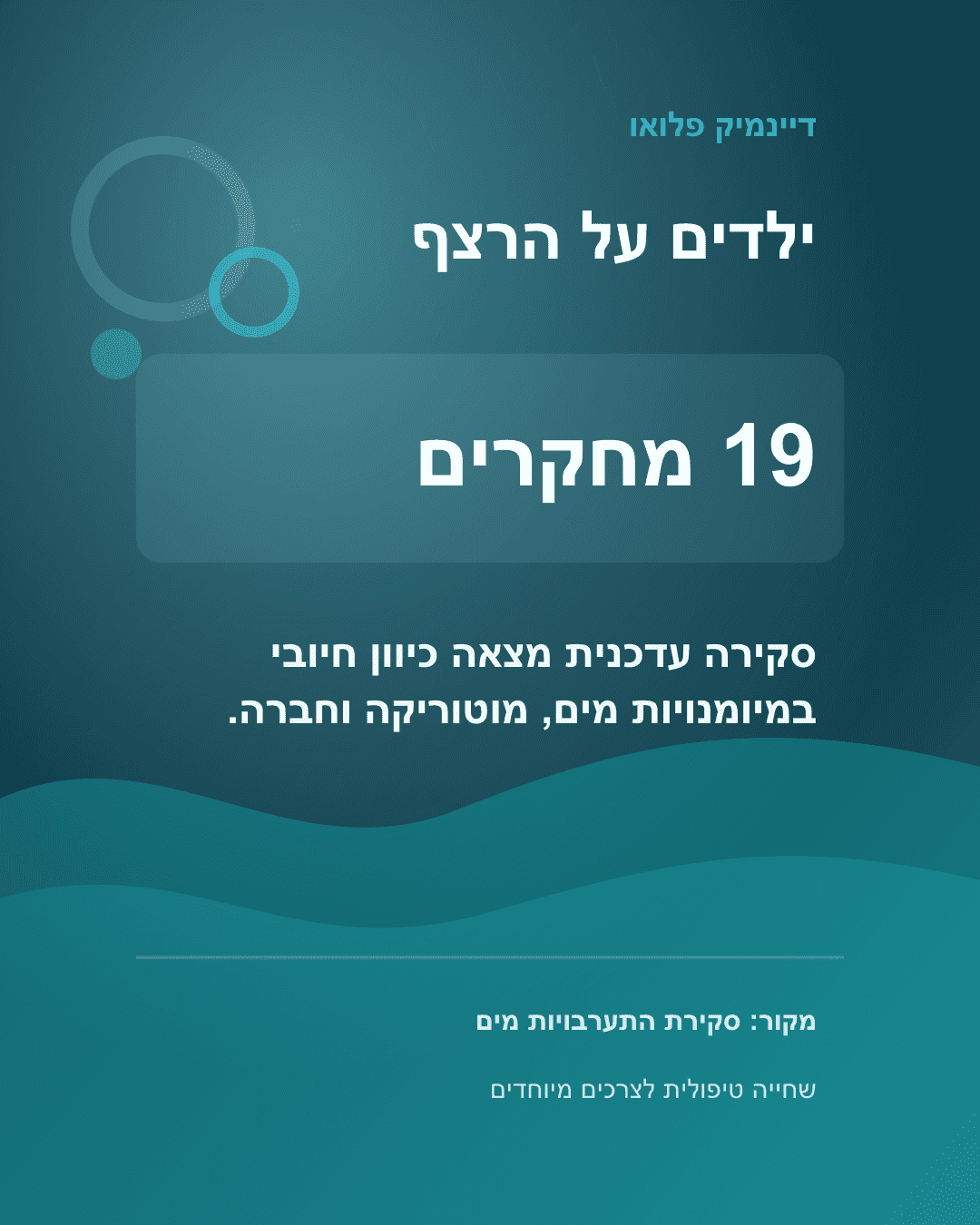
The evidence is not equally strong for every diagnosis. For cerebral palsy, the dossier includes a systematic review and meta-analysis pointing to improvement in gross motor function, with caution about study quality and individual differences. For autism, a review of 19 intervention studies points in a positive direction for water skills, motor function and some social measures, especially when aquatic expertise is combined with behavioral understanding. For Down syndrome and sensory regulation, the honest reading is more cautious: the rationale is plausible and the broader disability literature is relevant, but strong diagnosis-specific claims are not supported by this dossier.
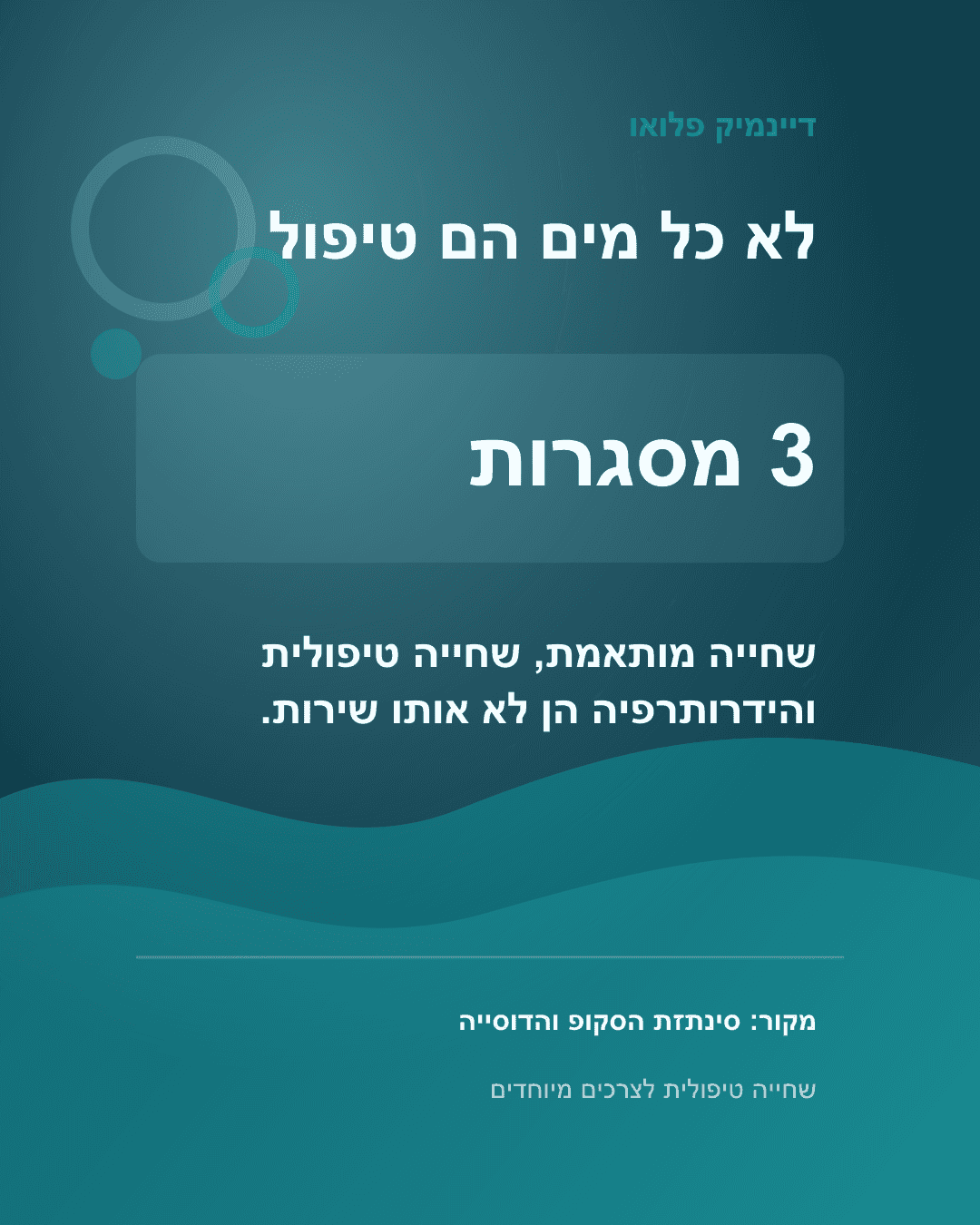
Do not mix three different services
Adapted swimming, therapeutic swimming and hydrotherapy are related, but they are not the same service.
Adapted swimming is a swim lesson adjusted to the child. The goals may be water confidence, breath control, floating, safety skills, play or gradual swim technique.
Therapeutic swimming is broader and usually more goal-driven: regulation, motor confidence, cooperation, gentle strength, water independence or preparation for swimming. The term is not always protected, so parents should ask exactly who is teaching, what training they have, and what is being measured.
Hydrotherapy is more clinical. It is usually treatment in water inside physiotherapy or rehabilitation, based on assessment and professional goals. In Israel, health-fund eligibility pages may treat hydrotherapy as part of physiotherapy when recommended by the treating physiotherapist.
Children on the autism spectrum
Parents often come to water for safety, sensory regulation, communication, movement or confidence. Those goals are legitimate. They still do not mean that water treats autism.
The dossier includes a 2024 review of aquatic interventions with 19 studies and 429 children aged 3 to 17. The direction is positive, but the evidence should be graded as moderate, not over-sold. Children on the spectrum differ widely: one child may need visual instructions and a quiet entry routine; another may need a safety-first plan because they are drawn to water and do not reliably respond to verbal calls.
Cerebral palsy
For cerebral palsy, the water rationale is especially clear. Buoyancy can reduce the fight against gravity. Resistance can support gentle strengthening. A warm, structured environment can allow practice of weight shift, trunk control, breath, turns and water skills.
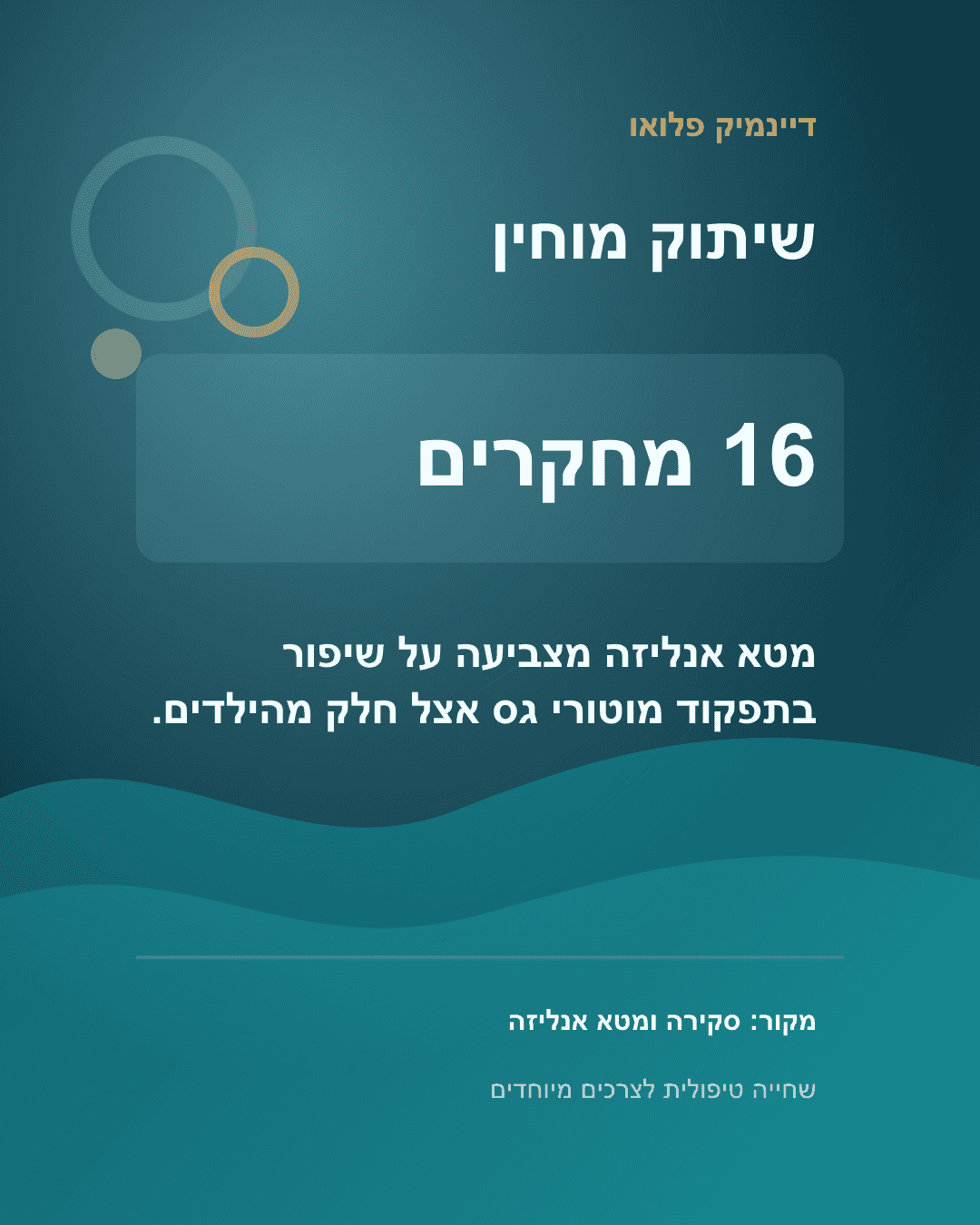
The key evidence is a systematic review and meta-analysis of 16 studies on hydrotherapy for children with cerebral palsy. The right parent-facing conclusion is careful: water therapy can support gross motor function for some children, but it should be aligned with the child's physiotherapy plan, fatigue profile, pain, access, communication and safety needs.
Down syndrome
Down syndrome needs particular caution. The dossier does not provide a strong source isolating water-program outcomes for children with Down syndrome. That does not make water irrelevant. It means parents should not be sold a diagnosis-wide promise.
For some children, water can help with movement, gentle strength, breath, confidence and independence. Medical factors such as heart history, breathing, seizures, infections, temperature regulation or neck guidance should be checked before starting when relevant.
Sensory needs, attention and anxiety
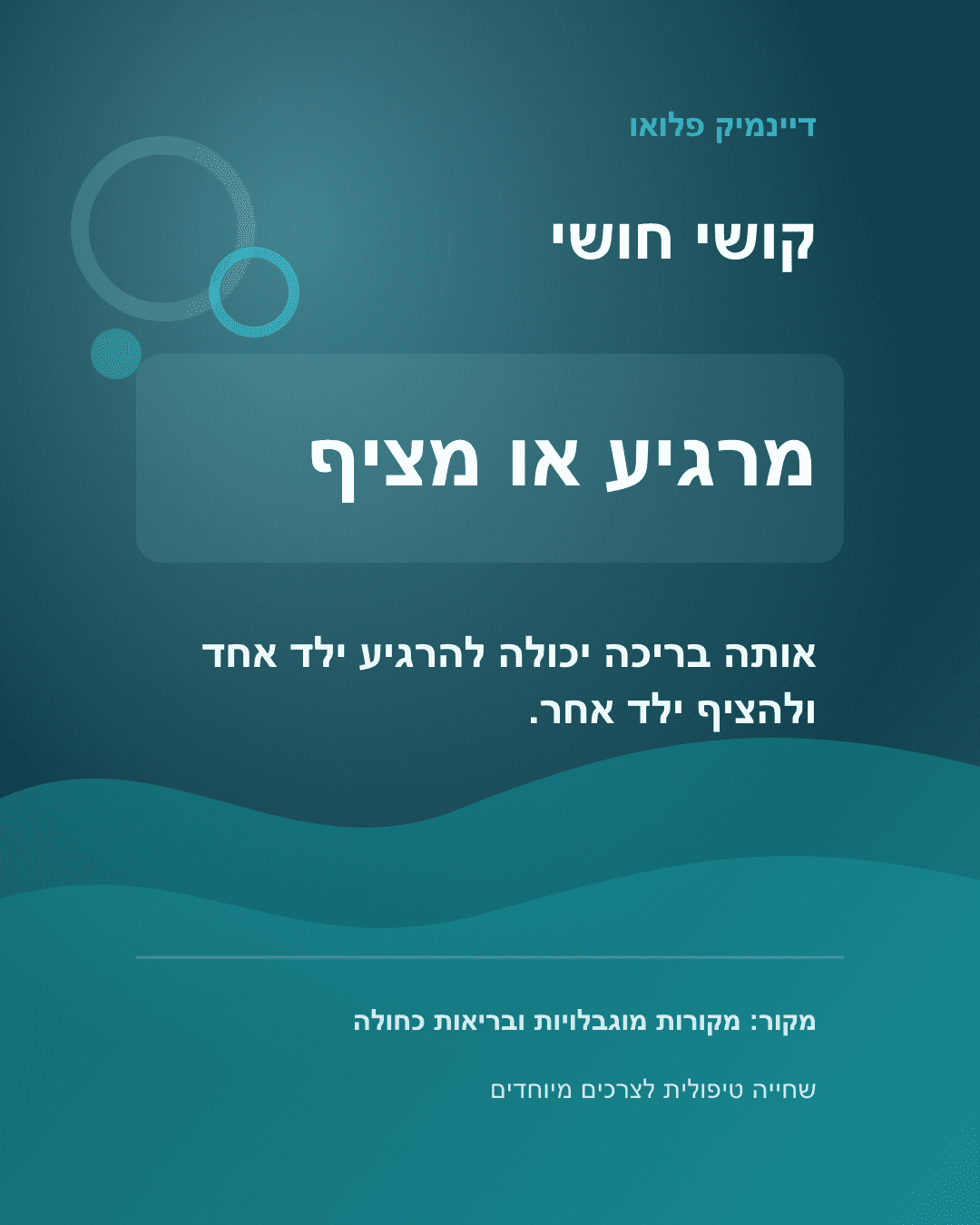
Water can regulate one child and overwhelm another. Pressure, rhythm and resistance can feel organizing. Pool noise, chlorine smell, splashing, wet hair or a sudden transition can be too much. A good program starts with the child's actual sensory profile, not a generic exercise list.
For attention difficulties, swimming may be useful as rhythmic aerobic activity, and the existing ADHD article covers the exercise evidence in more detail. The therapeutic question is whether the pool structure helps this child follow a plan, wait, breathe, transition, and leave with more confidence rather than more exhaustion.
Safety comes before therapy
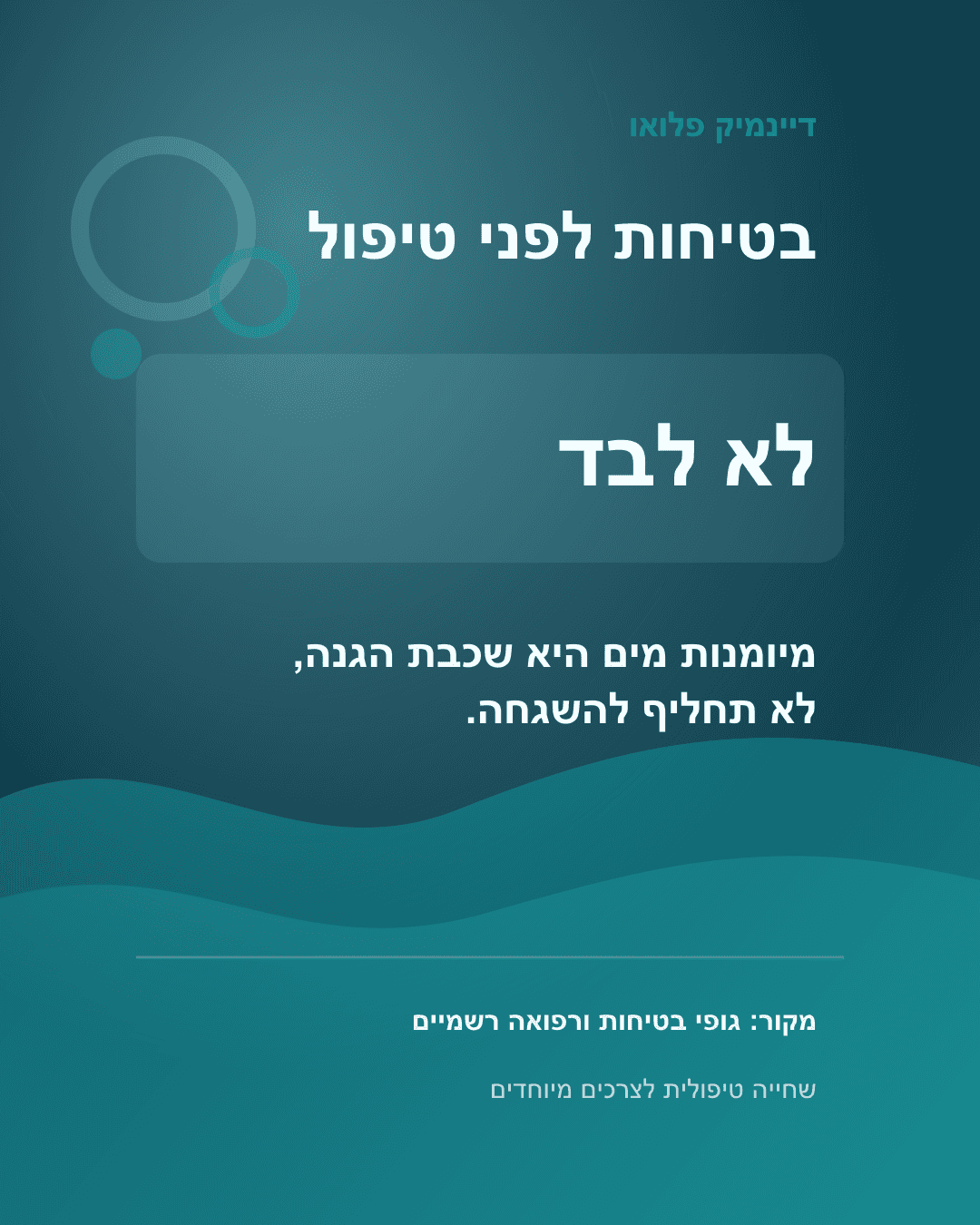
For special-needs swimming, safety is not a side note. Children with autism, epilepsy, impulsivity, motor limits, communication difficulties or strong water attraction may need tighter supervision, clearer exits, and a plan for what happens if the child bolts, panics, swallows water or becomes exhausted.
The first outcome of any water program is not a pretty stroke. It is safer participation around water.
What to ask before starting
Ask who works with the child, what their training is, what the first goal will be, how progress is recorded, how sensory triggers are handled, what the safety ratio is, how parents are involved, and when the program would stop or refer back to a clinician.
The strongest sign of a serious program is not a promise. It is the ability to define limits.