
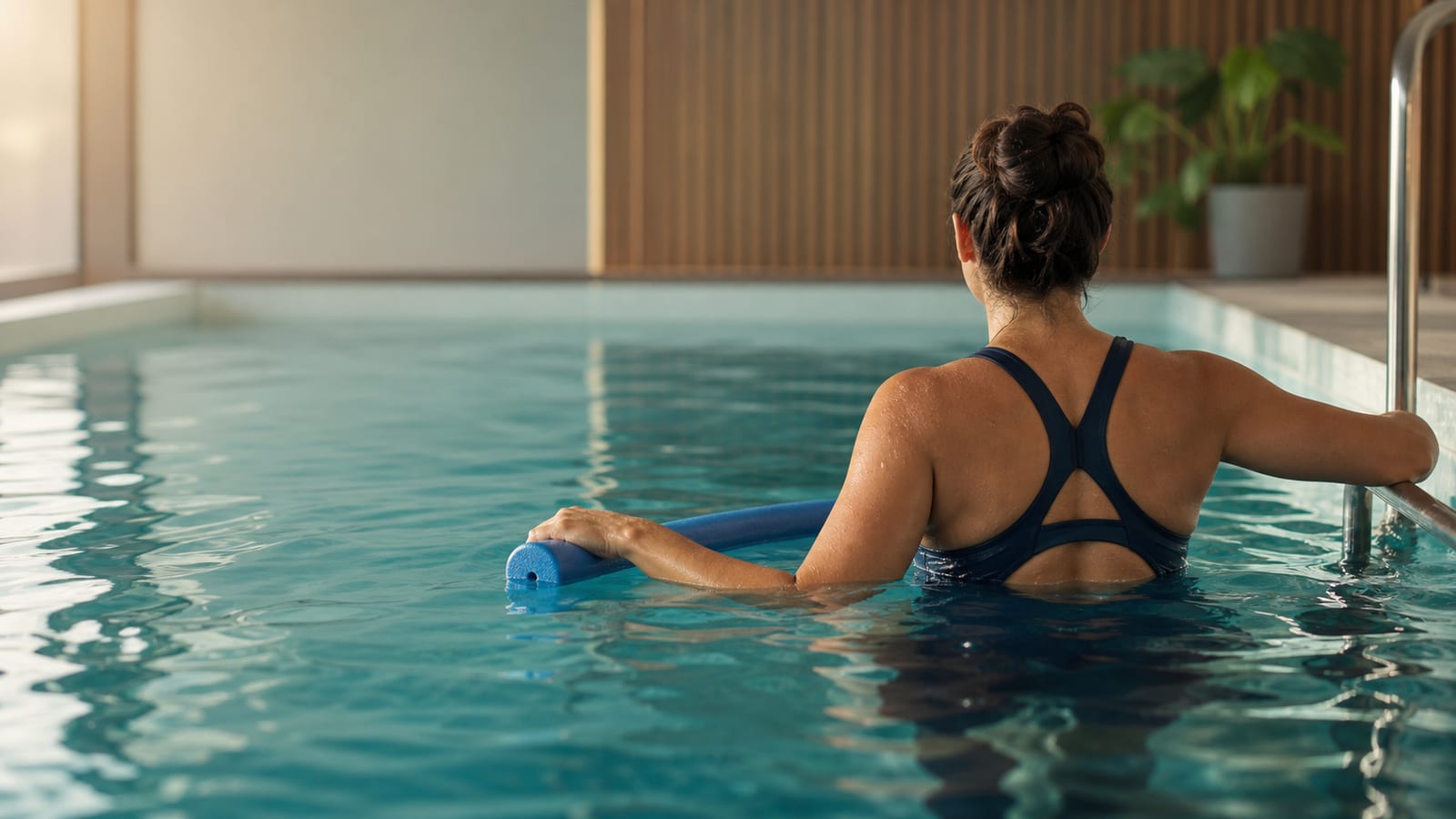
Water does not heal a disc, rebuild cartilage, make pregnancy risk-free, prevent falls, or replace medical care. It can, for some people, make movement possible when land movement is too painful, heavy or intimidating.
The short version
Water is not medicine. That is the starting point for this guide.
Water does not replace a doctor, physiotherapist, diagnosis, checkup, or rehabilitation plan. It also does not turn every ordinary swim session into treatment.
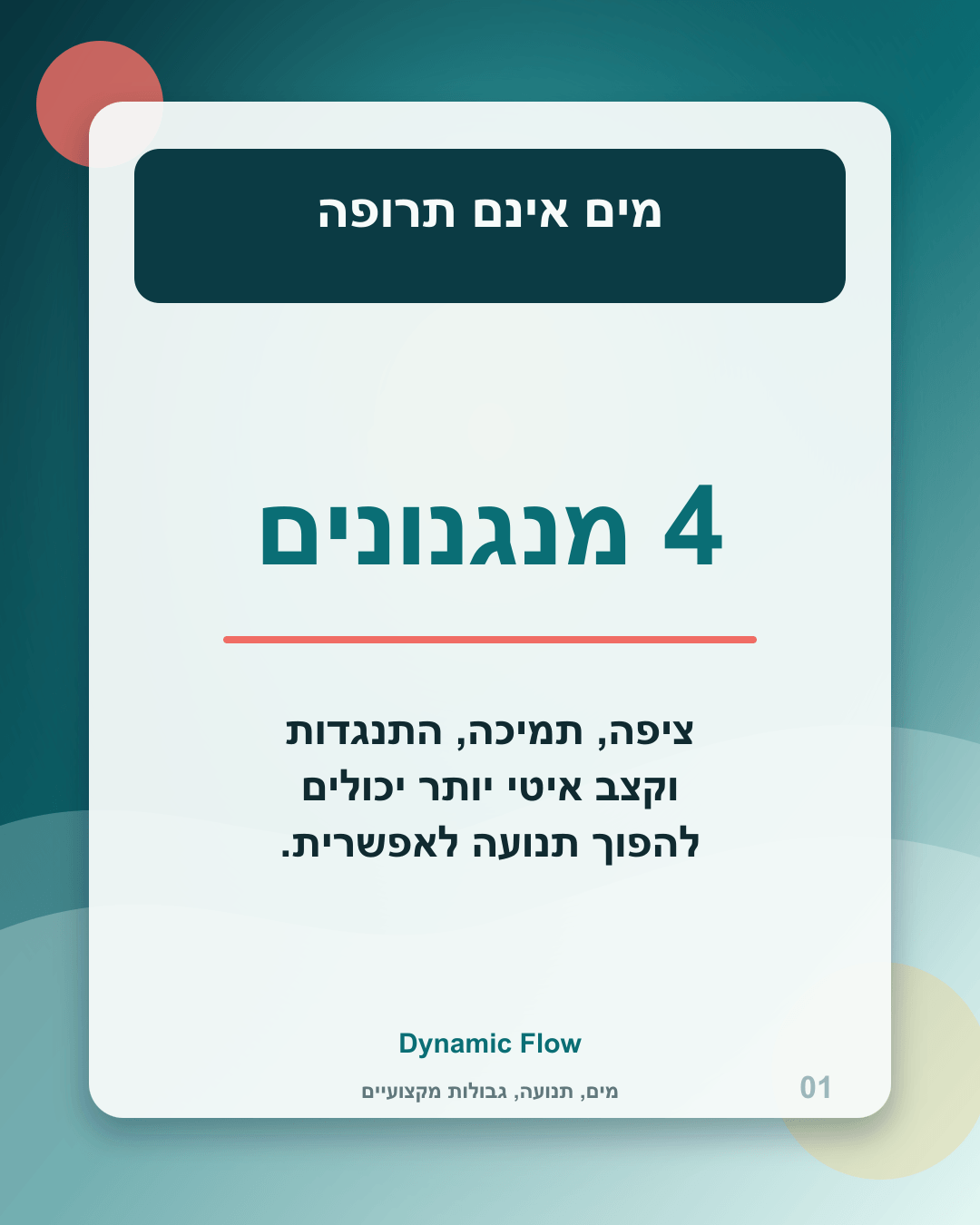
What water can do is change the conditions. Buoyancy reduces part of the load people feel on land. Water pressure gives support and a clearer body boundary. Resistance comes from every direction without weights. Movement is slower, which helps some people feel more control.
That difference can matter for an adult with chronic low back pain, a person with painful knees, a woman with an uncomplicated pregnancy, someone returning gradually after birth, or an older adult who is afraid of falling.
Water, Movement and Boundaries in Cards
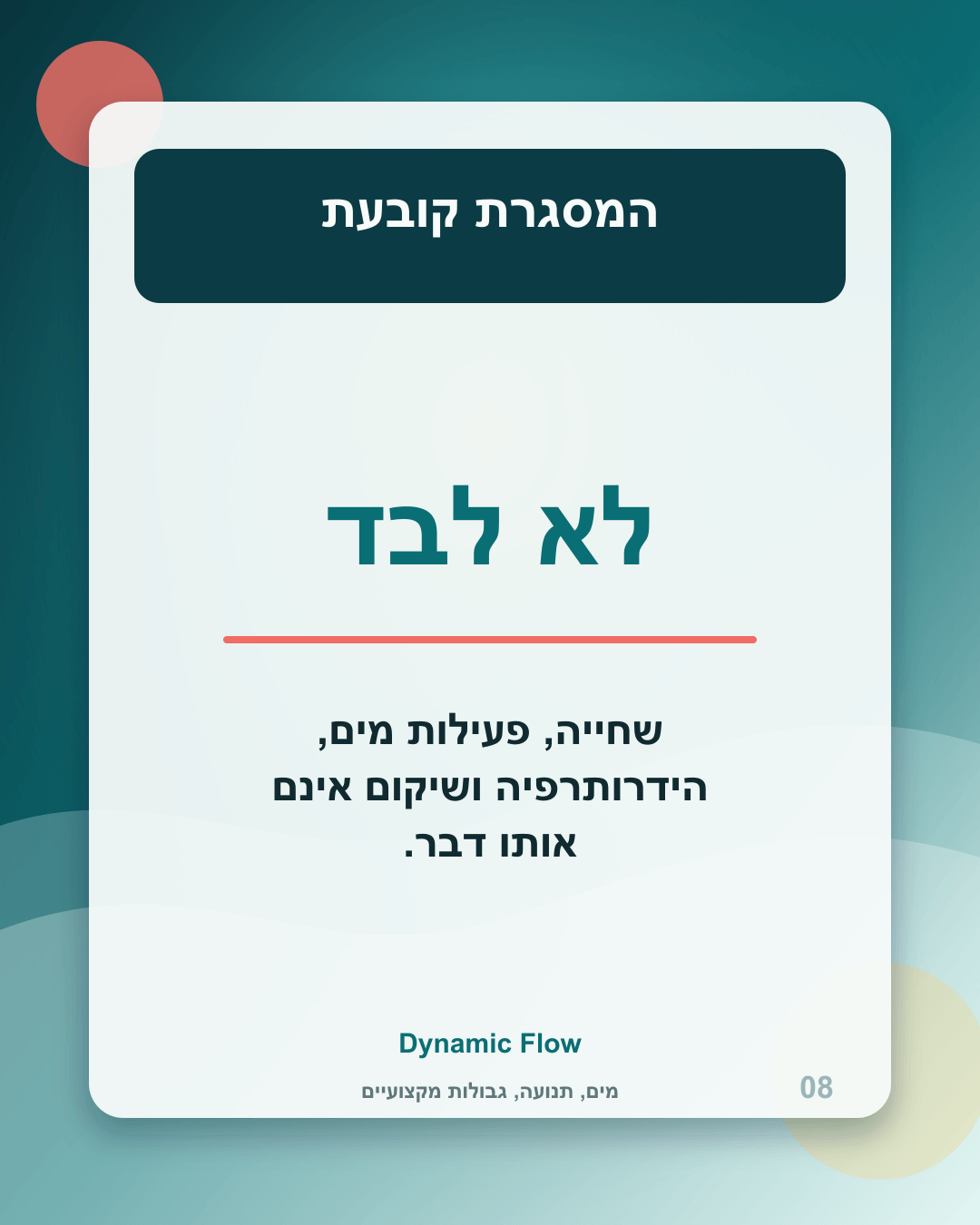
Do not mix four different things
Swimming, general water activity, hydrotherapy, and medical rehabilitation are not the same thing.
Swimming is usually about distance, technique, breathing rhythm and fitness. General water activity may include walking, gentle movement, breathing, balance work or low-impact group exercise. Hydrotherapy is treatment in water, often inside physiotherapy or rehabilitation. Medical rehabilitation uses water as one tool inside a broader professional plan.
The difference matters because the sentence “water is good for your back” can be useful, useless or dangerous depending on who hears it.
Low back pain
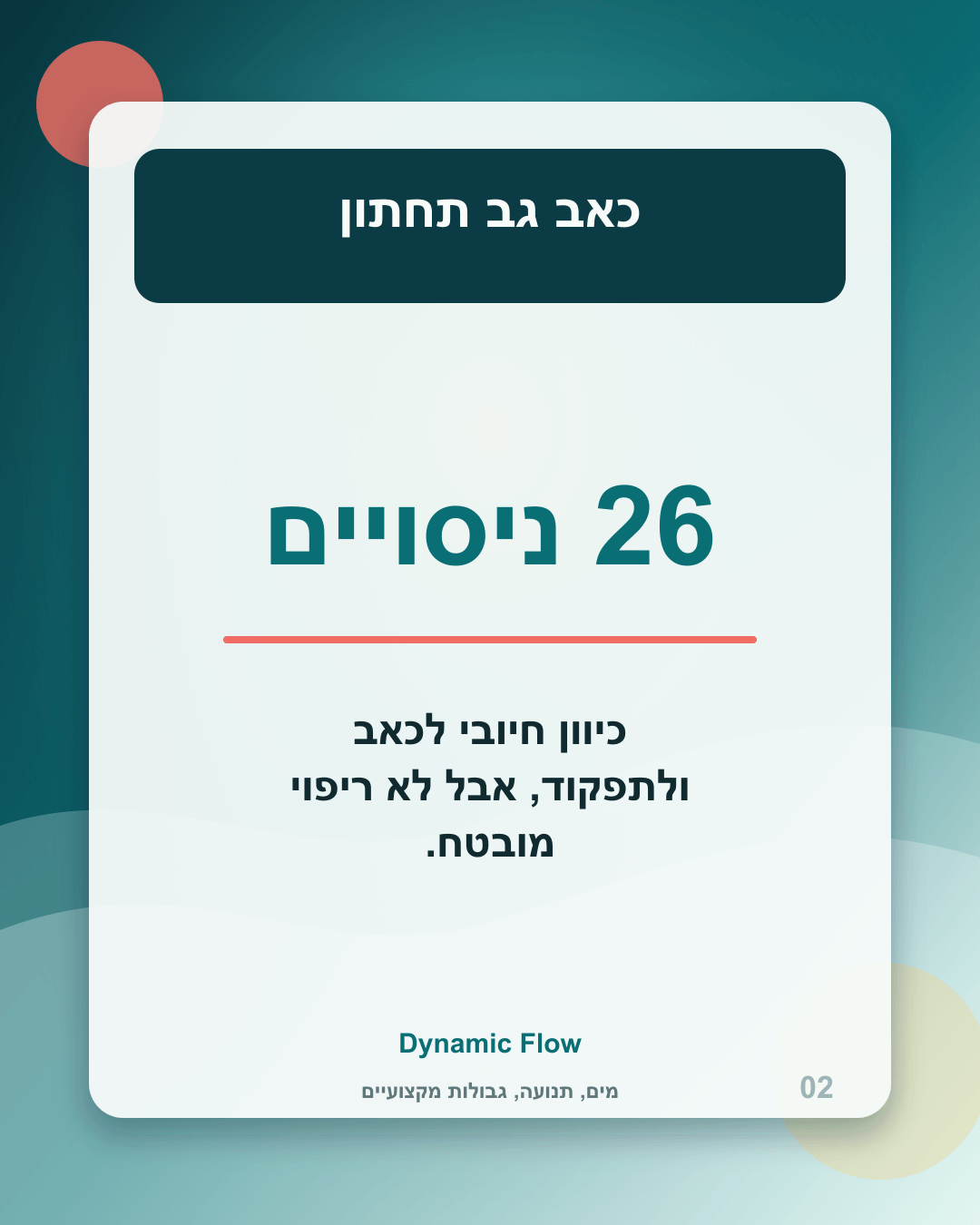
The local evidence dossier points to a positive direction mainly for chronic low back pain, not for every back pain episode. A review of twenty-six randomized trials compared water activity, land activity and other options. The practical reading is that water activity may reduce pain and improve function for some people with chronic low back pain.
The evidence grade is moderate. That is enough to consider water as a reasonable movement tool. It is not enough to market water as a cure.
Water is most useful when land movement feels too threatening. Walking in water, gentle pelvic movement, breathing and supported range-of-motion work may be a better start than swimming laps. Red flags such as radiating pain, weakness, numbness, fever, trauma, unexplained weight loss, bladder or bowel changes, or rapid worsening need medical review first.
Knees, joints and cartilage
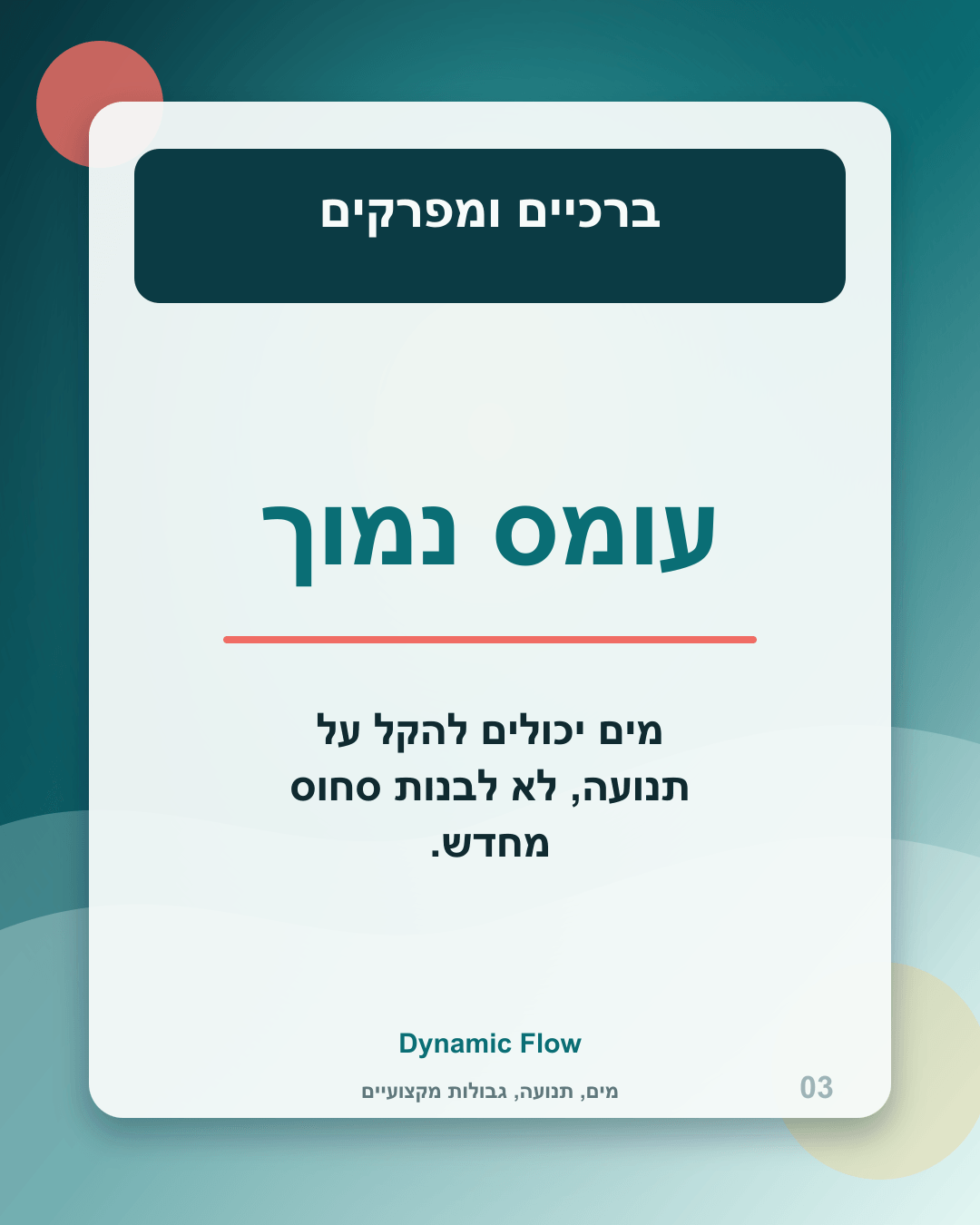
For people with knee or lower-limb osteoarthritis, water may lower the barrier to movement. Buoyancy reduces perceived weight-bearing. Water resistance slows movement and can make range, strength and walking practice feel more manageable.
The evidence grade in the dossier is moderate. It supports pain and function benefits for some people, especially when land loading is difficult. It does not support promises that water rebuilds cartilage, realigns a joint, or replaces assessment when a joint is swollen, locking, unstable or painful at rest.
Pregnancy
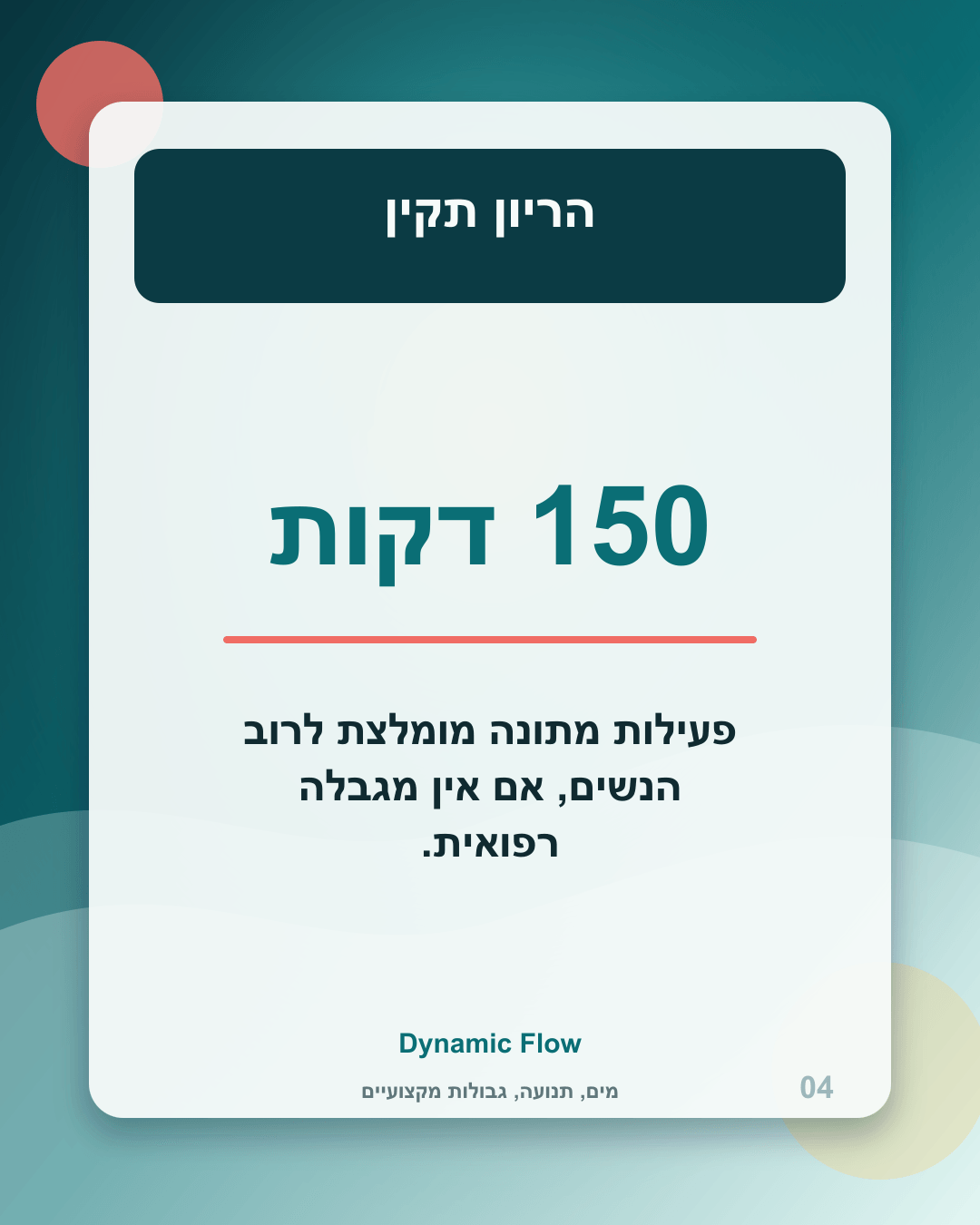
Professional guidance supports moderate physical activity during an uncomplicated pregnancy when there is no medical restriction, and swimming or water workouts are listed as appropriate options. The evidence grade for the general guidance is strong, but it applies to uncomplicated pregnancy, not every pregnancy.
Water can reduce the feeling of heaviness, support the body, and make moderate movement more comfortable. It is still not medical clearance. Bleeding, severe pain, dizziness, unusual shortness of breath, chest pain, fluid leakage, reduced fetal movement, high-risk pregnancy, placenta previa, preeclampsia, heart disease, significant anemia, or a specific medical restriction all change the decision.
After birth
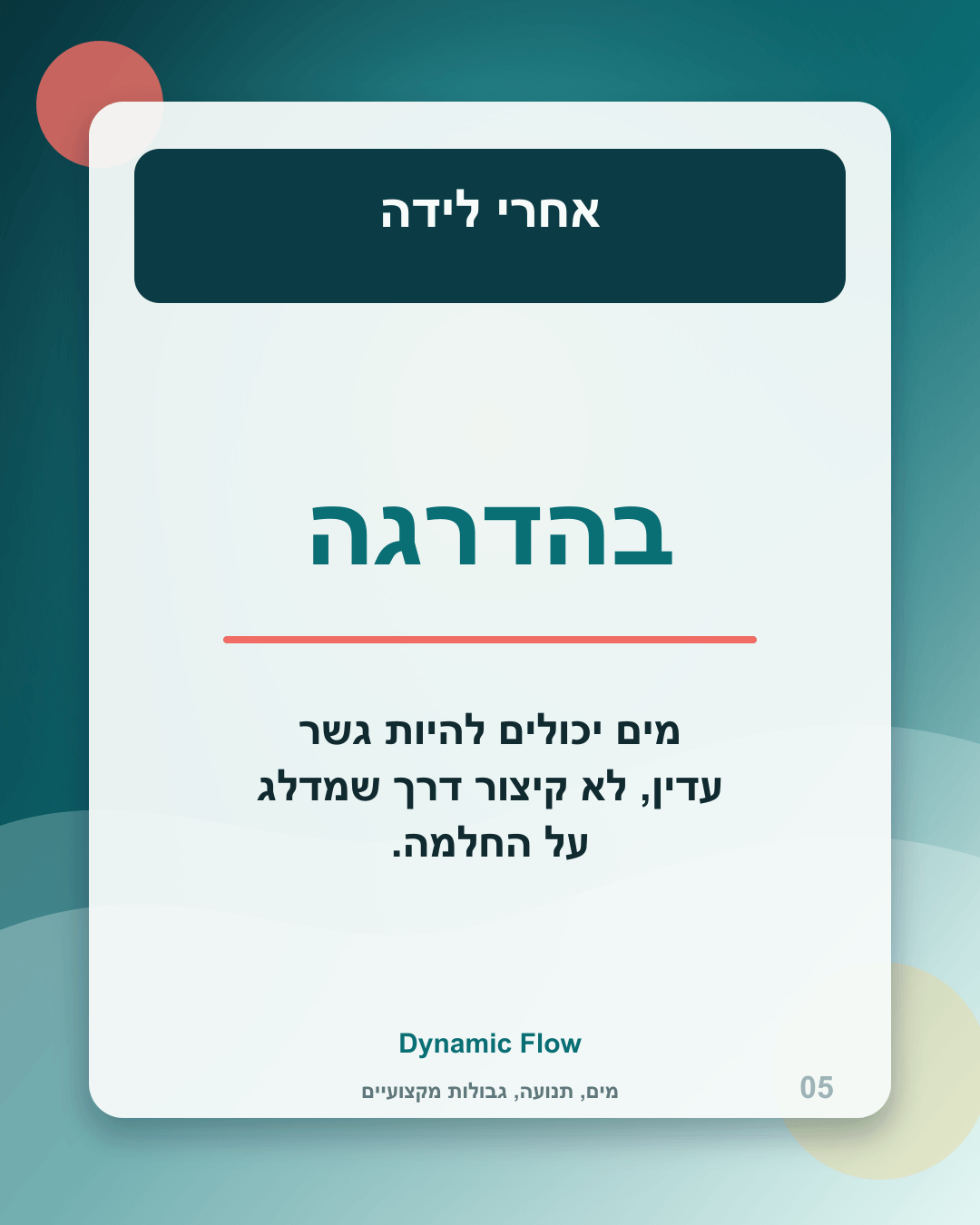
After birth, water can be a gentle bridge back to movement. The professional source in the dossier supports gradual return to activity and a weekly moderate-activity direction after recovery, depending on the woman’s condition.
That does not mean every woman should return to the pool on the same date or at the same intensity. Ongoing bleeding, unusual pain, infection, cesarean recovery, significant tearing, pelvic-floor symptoms, heaviness, major leakage, scar pain, dizziness or weakness require assessment and adjustment.
Older adults, balance and falls
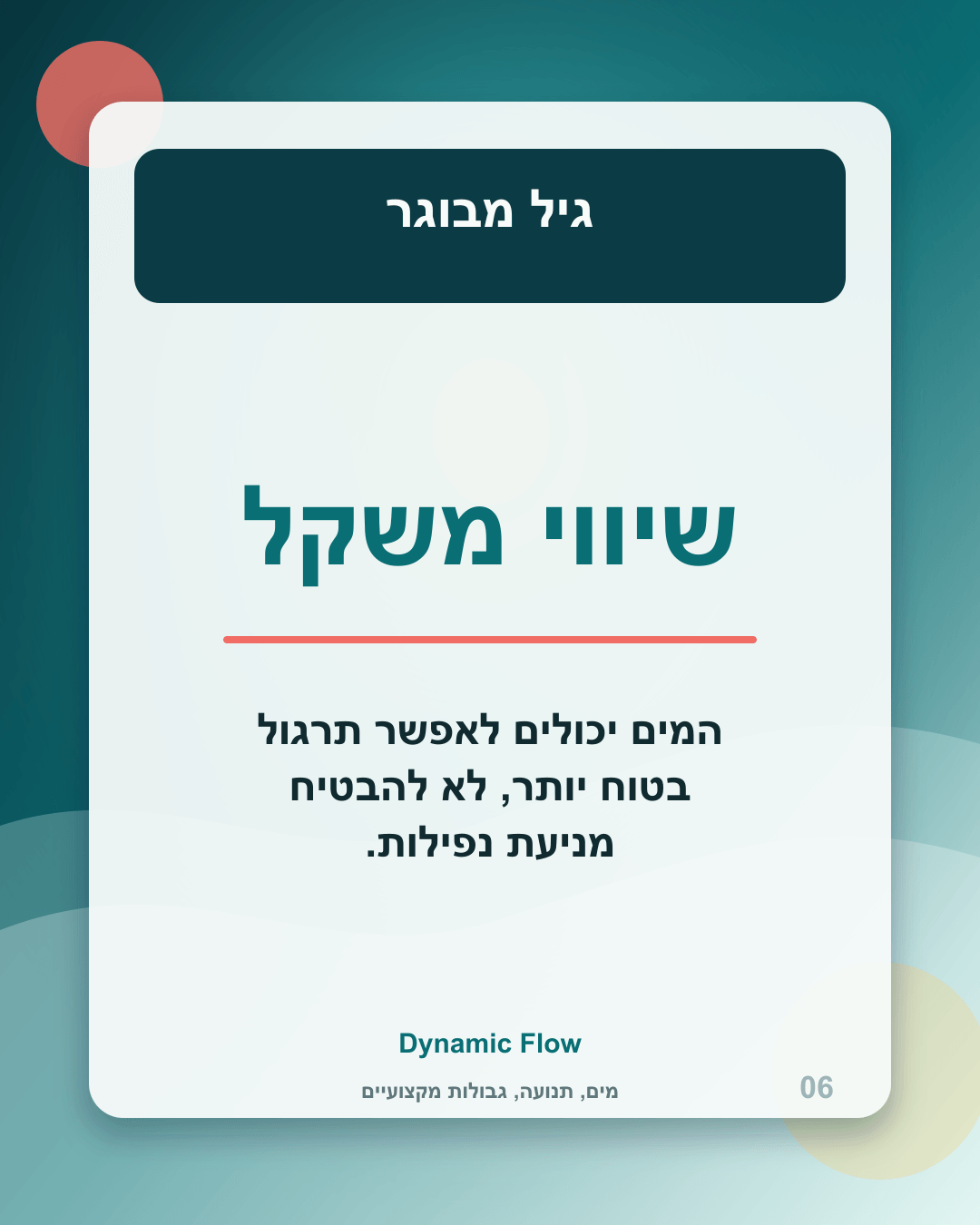
For older adults, water may help break the cycle of fear and reduced movement. The body is supported, the fear of falling may be lower, and balance, weight transfer, walking, breathing and gentle strength can be practiced in more forgiving conditions.
The general older-adult activity guidance is strong. The water-specific evidence around balance, fitness and function is moderate. The cognitive-function evidence is emerging. That means water may support balance, strength, fitness and function for some older adults, but it should not be sold as fall prevention.
Falls depend on strength, vision, medication, blood pressure, the home environment, footwear, neurological status, dizziness, confidence and reaction speed. Pool entry, exit, wet floors, ladders, depth, fatigue and blood-pressure changes are also part of the safety picture.
Who should not start alone
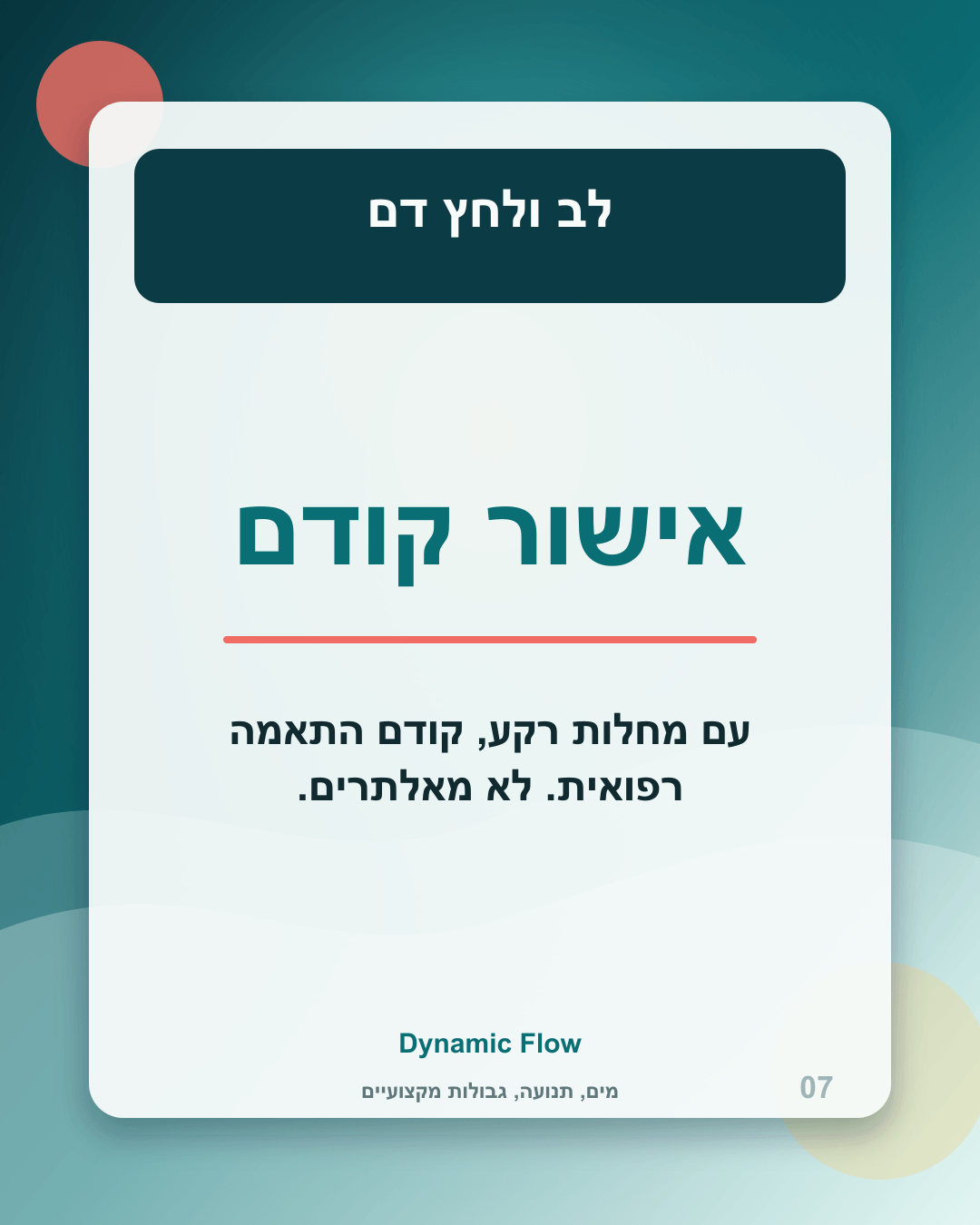
Do not start alone with new severe pain, pain radiating to a limb, weakness, numbness, dizziness, fainting, repeated falls, chest pain, unusual shortness of breath, unstable blood pressure, known heart disease, fever, infection, open wounds, recent surgery, high-risk pregnancy, warning signs during pregnancy, unusual symptoms after birth, or unsafe pool access.
The pool may be a safer-feeling place for some people, but it does not erase risk.
How to measure progress without slogans
Good progress is functional. Can the person move more the next day? Is pain still within a tolerable range? Is fear of movement lower? Can they walk, stand, rise from a chair, practice balance, or keep a moderate routine more consistently?
The best water program expands life outside the pool. If a person only becomes dependent on the pool and does not regain function anywhere else, the plan needs to be reconsidered.